Cataracts occur when the natural lenses of your eyes, which were once clear and transparent,
become cloudy. Because of this, vision slowly worsens over time, leading to impairment.
Most people develop cataracts as a result of aging. However, you may develop cataracts for other reasons like genetics, medical conditions, certain medications, or trauma.
You may not realize you have cataracts initially. They can develop as early as your fifties or sixties and can take many years to cause visual impairment or noticeable symptoms.
However, as your eye's natural lens becomes cloudy, it obstructs how much light can get through, making it far more challenging to see clearly. Patients with cataracts may notice that the things around them seem blurry, foggy, or distorted as if they can no longer see things in focus.
Take Cataract Self-TestThere are many symptoms associated with cataracts. You may notice signs like:

These are only some of the signs that you could have a cataract. These signs are also not exclusive to only having a cataract.
If you think you could have a cataract, schedule an appointment with your eye doctor at Atlantic Eye Institute.
An intraocular lens (IOL) is an artificial lens implanted in your eye during cataract surgery. The IOL replaces the function of your once clear natural lens, enabling you to see clearly again.
There are many kinds and types of IOLs available. Depending on which one you choose, you may achieve better vision than before having cataract surgery.
Your IOL of choice should include factors like your lifestyle, visual goals, eye health, and budgetary requirements. Your ophthalmologist at Atlantic Eye Institute will consider these factors when making the best recommendation for you.
Premium lenses require an out-of-pocket cost but will provide significantly better vision. Many patients find that although they have to pay out-of-pocket for premium lenses, it's worth it for the crisp, clear vision they've never been able to achieve previously.
Understanding Your IOL Options - Video Book AppointmentAtlantic Eye Institute is proud to offer our patients some of the most advanced IOLs available, including:
A monofocal IOL is the most common kind of IOL used during cataract surgery. With this IOL, you can see clearly at one distance, with most patients choosing distance vision. However, you will still need visual aids to see at the uncorrected distance, especially if you're completing tasks like reading or working on the computer.
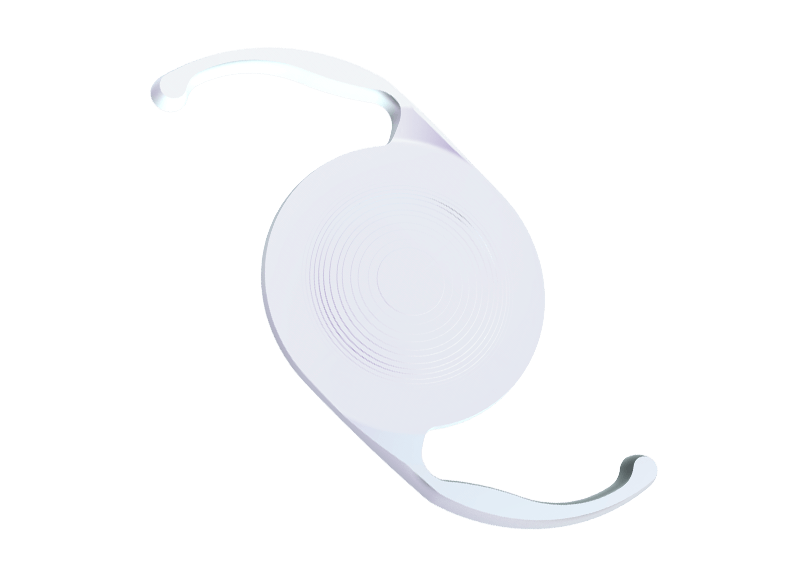
Multifocal IOLs are premium lenses that allow you to see clearly at multiple distances, including up close, far away, and intermediate distances. This premium IOL helps to reduce dependence on glasses for most activities, allowing you to see clearly, whether looking at something far away or baking cookies with your grandchildren.
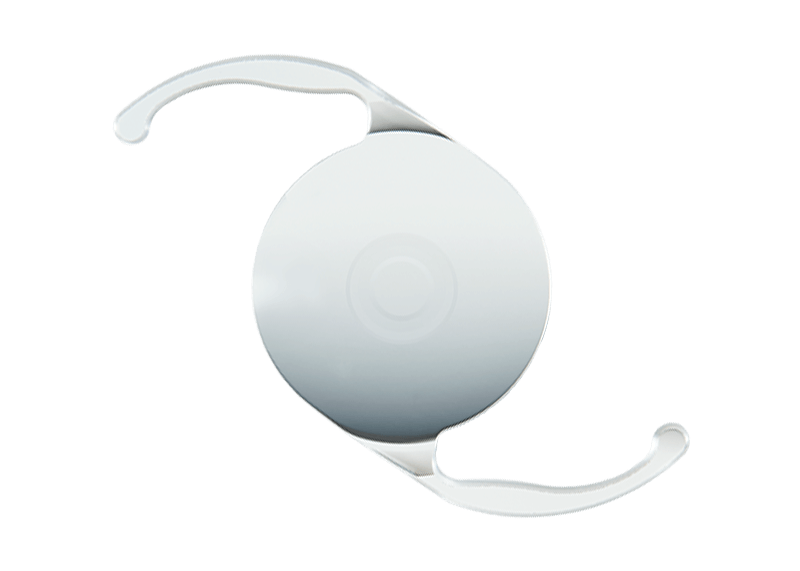
Toric IOLs are the only intraocular lenses specifically designed to correct astigmatism. They do this by addressing the cornea's curvature, which is misshapen in patients with astigmatism.
A toric IOL allows you to see clearly, and many premium IOLs come in toric models, enabling you to achieve your desired vision and the potential for reduced dependence on visual aids after cataract surgery.
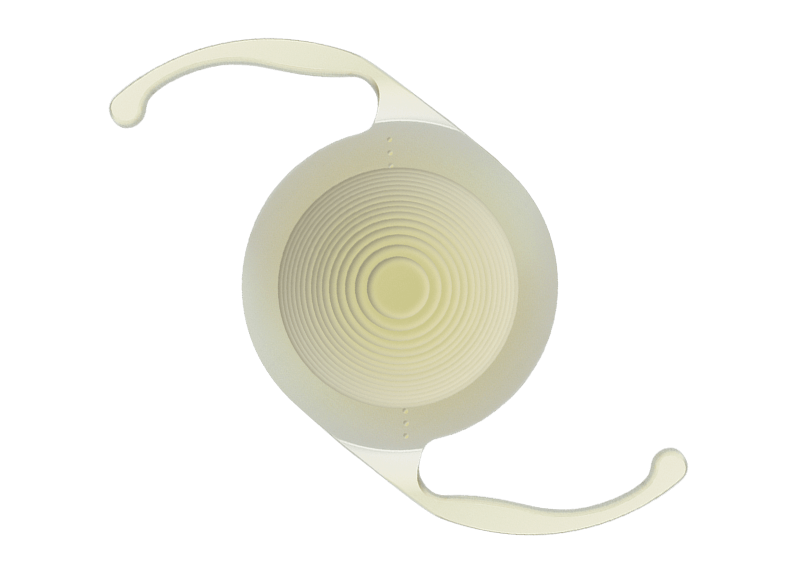
The Light Adjustable Lens is the first and only IOL that allows your cataract surgeon to adjust and customize your vision after cataract surgery. No other IOL will enable patients to test drive their visual potential before locking it in and achieving their optimal visual outcome.
The Light Adjustable Lens is an excellent choice whether you need correction for distance vision, near vision, or intermediate vision, as it can be adjusted to optimize your vision for your unique needs and activities.
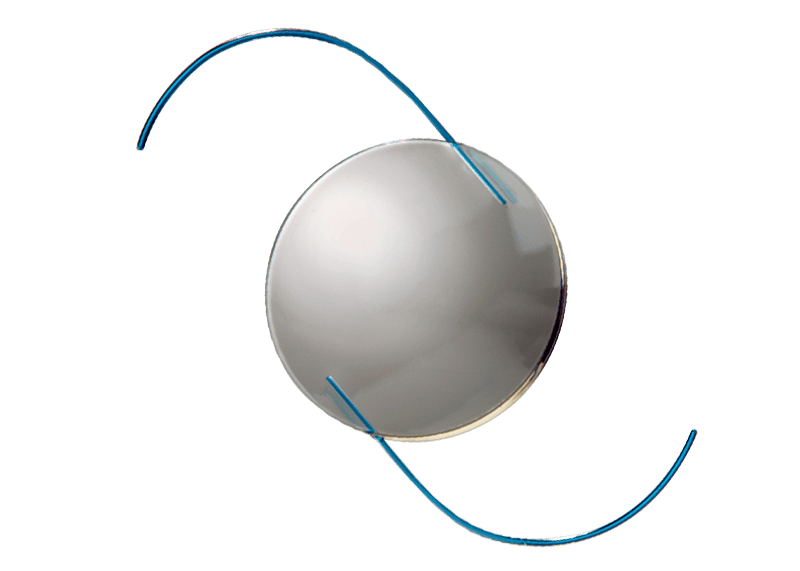

Cataract surgery is an effective procedure that removes and replaces your natural lens with an intraocular lens to ensure you can see clearly. However, Atlantic Eye Institute also offers our patients the option of laser cataract surgery.
Traditional cataract surgery uses a blade to make an incision in the eye and gain access to the natural but cloudy lens. A process called phacoemulsification breaks up the cataract into smaller pieces with ultrasound waves.
Phacoemulsification makes it easier to remove the cataract from the eye. Any pieces of the cataract and your natural lens are removed with suction using the same incision. Once the cataract and natural lens are entirely removed, your cataract surgeon will place your IOL in your eye to replace your natural lens. Any positioning is then done to ensure you can see clearly after the procedure.

Laser cataract surgery follows many of the same steps as traditional cataract surgery. However, it uses advanced laser technology to create highly precise incisions.
Laser cataract surgery ensures more accurate and exact lens fragmentation and astigmatism correction in patients. Laser cataract surgery also helps to improve patient outcomes and safety, ensuring you achieve the most optimal vision possible.
Benefits of Cataract Surgery - Video Book Appointment
The signs associated with cataracts are not exclusive to it alone. That's why it's imperative to understand what's causing any visual changes you may experience. If you have cataracts, your Atlantic Eye Institute will monitor their progression.
Because cataracts take a long time to develop, most patients will not require cataract surgery immediately. Most cataract surgeons only recommend cataract surgery if you can no longer complete basic activities or the things you love due to worsening vision. If your cataract surgeon determines that cataract surgery is the most appropriate procedure for you, Atlantic Eye Institute will guide you through all available IOL options.